
Outreach
Implementing structured outreach activities into educational programme can effectively promote engineering to younger school pupils while also providing valuable opportunities for university scholars to practice leadership, communication and community engagement.
Below is a guide to planning and executing impactful outreach initiatives:
Defining the outreach purpose
Target audience
Focus outreach on younger school pupils, around age 14, who are considering subject choices that could lead to engineering careers.
Promote STEM subjects
Highlight the importance of subjects like maths and physics in pursuing engineering pathways.
Engage under-represented schools
Prioritise outreach to schools with lower university progression rates to widen access to engineering education.
Designing engaging outreach activities
Hands-On projects: encourage scholars to create simple, interactive activities that showcase engineering concepts.
Examples:
- Paper plane distance challenge
- Tower building challenge (picture 1 and 2)
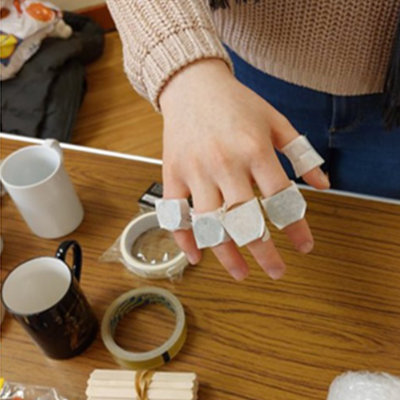
- Arthritis Simulation (picture 3 and 4)
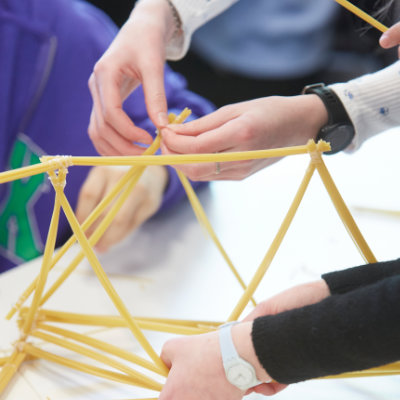


Customise activities: tailor activities to the engineering discipline and the age group of the audience to maintain relevance and engagement
Planning and preparation
Workshop and training: organise a preparatory workshop for engineering scholars to develop their outreach ideas and plan their sessions.
Pre-planning document: have scholars outline their outreach plan, including activity objectives, required materials, and estimated costs.
Budget and resources: ensure sufficient materials are available for the expected number of participants. Plan for contingencies in case unexpected class sizes.
Building school partnership
Identify potential schools: reach out to schools through established networks or by contacting alumni
Consider community groups: encourage outreach through youth organisations like Scouts or Girl Guides for additional engagement opportunities.
Leverage STEM networks: connect with the STEM Ambassadors Network to align outreach activities with STEM-focussed weeks or events.
Managing logistics and timing
Schedule carefully: coordinate with schools to align outreach dates with their academic calendar, avoiding exam periods and holidays.
Confirm class sizes: verify participant numbers in advance to ensure adequate materials and resources.
Communicate clearly: maintain regular communication with school contacts to confirm arrangements and address potential issues
Incentivising participation
Academic credit
Integrate outreach as a key learning outcome for engineering scholars, aligning it with relevant modules.
Financial compensation
Allocate a portion of the programme budget to cover scholars’ outreach hours.
Professional development
Highlight how outreach participation can enhance employability by developing communication, planning and leadership skills.
Gathering feedback and reflecting on impact
Reflecting reports: require scholars to submit a brief report summarising their outreach experience, challenges faced, and lessons learned.
Oral presentations: host a final presentation event where scholars share their outreach activities and discuss their impact.
Collect school feedback: seek feedback from school contacts to refine future outreach efforts and identify potentials areas for improvement.
Risk and Mitigations
Risk 1. Non-responsive schools
Encourage university students to reach out to former teachers and local community groups if schools are unresponsive.
Risk 2. Clashes in timing and scheduling
Emphasise the importance of clear planning in advance and time management during outreach sessions to maximise effectiveness. Check calendars for other opportunities for STEM activities, for example: national STEAM week and Engineering Day.
Risk 3. Different class sizes
Prepare flexible activity plans to accommodate varying class sizes and resources availability